
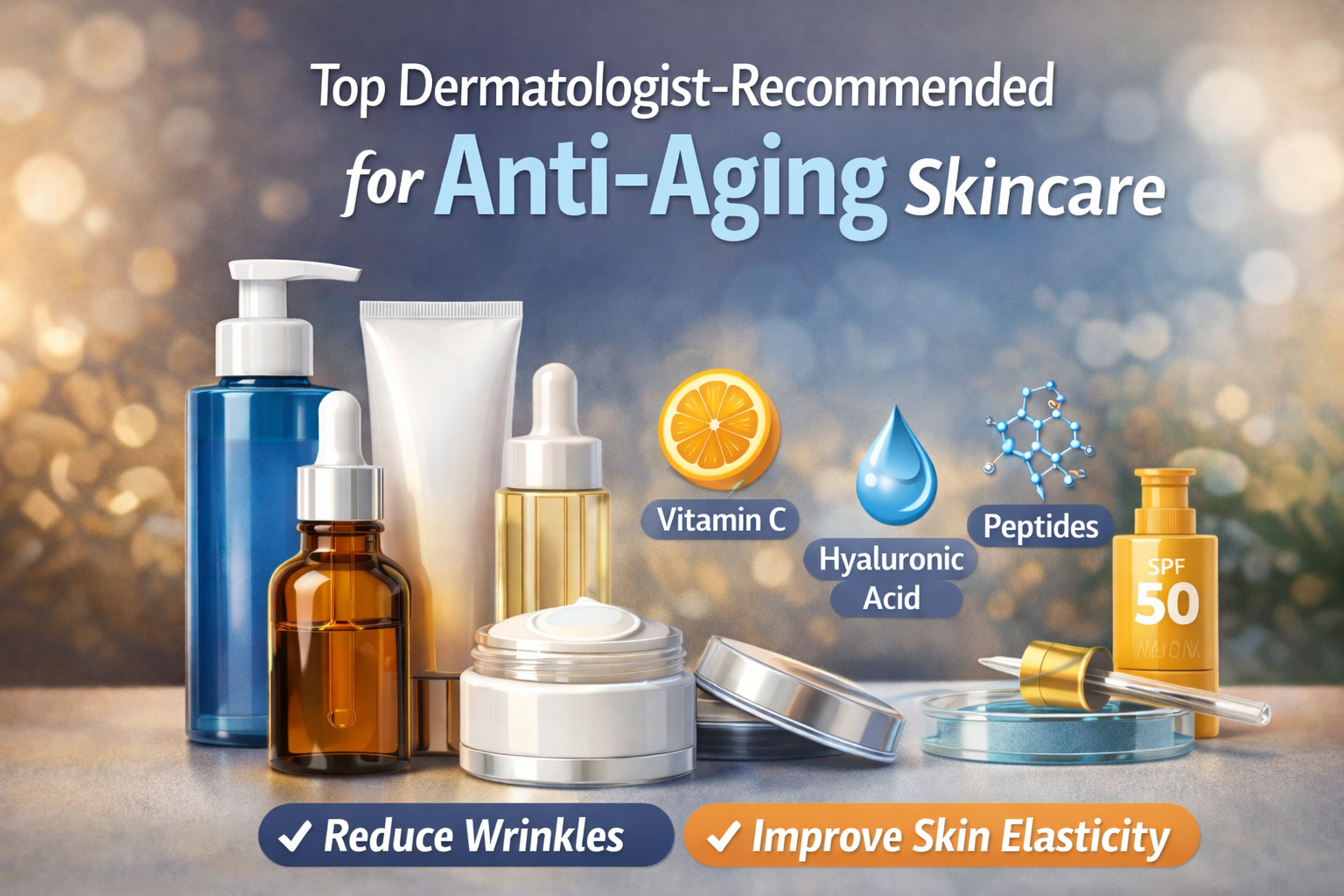
Aging is a natural biological process, but modern skincare science offers effective ways to maintain healthy, youthful-looking skin. Rather than focusing on quick fixes, dermatology emphasizes evidence-based ingredients that support collagen production, protect against environmental damage, and improve skin renewal. Choosing the right anti-aging ingredients can significantly reduce the appearance of fine lines, wrinkles, dullness, and uneven texture over time.
This guide highlights the most dermatologist-recommended ingredients for anti-aging skincare and explains how they work to promote long-term skin health.
Why Ingredients Matter More Than Trends
Many skincare products promise dramatic results, but their effectiveness depends on the active ingredients they contain. Dermatologists recommend focusing on clinically studied compounds that target the root causes of aging, including:
- Loss of collagen and elasticity
- Slower skin cell turnover
- Sun damage and oxidative stress
- Dehydration and barrier weakening
Using proven ingredients consistently helps improve skin structure rather than temporarily masking signs of aging.
1. Retinoids: The Gold Standard for Wrinkle Reduction
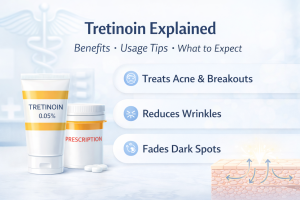
Retinoids, derived from vitamin A, are widely considered the most effective anti-aging ingredient. They work by accelerating skin cell turnover and stimulating collagen production, which helps smooth fine lines and improve skin texture.
Benefits of Retinoids:
- Reduce appearance of wrinkles
- Improve skin firmness
- Fade discoloration and age spots
- Prevent clogged pores and breakouts
Because retinoids increase skin renewal, they should be introduced gradually and paired with moisturizer to minimize irritation.
2. Vitamin C: Powerful Antioxidant Protection
Vitamin C (ascorbic acid) is essential for defending the skin against environmental damage caused by UV exposure and pollution. It also plays a key role in collagen synthesis, helping maintain skin strength and elasticity.
Why Dermatologists Recommend Vitamin C:
- Brightens dull complexion
- Protects against free radical damage
- Supports collagen formation
- Helps reduce pigmentation
Using vitamin C in the morning enhances protection when combined with sunscreen.
3. Hyaluronic Acid: Deep Hydration for Plumper Skin
As skin ages, it loses its ability to retain moisture, leading to dryness and fine lines. Hyaluronic acid is a naturally occurring molecule that binds water to the skin, delivering intense hydration.
Key Benefits:
- Restores moisture balance
- Makes skin appear fuller and smoother
- Improves elasticity
- Supports the skin barrier
Hydrated skin reflects light better, giving a naturally youthful appearance without heavy formulations.
4. Niacinamide: Multi-Tasking Skin Strengthener
Niacinamide, a form of vitamin B3, is valued for its versatility and tolerance across all skin types. In addition to enhancing tone and texture, it helps fortify the skin barrier.
Anti-Aging Effects of Niacinamide:
- Reduces fine lines and uneven tone
- Minimizes enlarged pores
- Improves barrier function
- Enhances skin resilience
This ingredient is particularly useful for those seeking anti-aging benefits without irritation.
5. Peptides: Building Blocks for Firmness
Short sequences of amino acids called peptides tell the skin to make more collagen and elastin. These proteins are necessary to keep things tight and stop them from sagging.
Why Peptides Are Important:
- Support structural repair
- Improve skin elasticity
- Reduce visible wrinkles
- Strengthen aging skin
Peptides work best when combined with hydrating and antioxidant ingredients.
6. Sunscreen: The Most Effective Anti-Aging Product
Daily sun protection is essential to any anti-aging regimen. Ultraviolet exposure is the leading cause of premature aging, responsible for wrinkles, pigmentation, and loss of elasticity.
Daily Sunscreen Use Helps:
- Prevent collagen breakdown
- Reduce formation of dark spots
- Protect results from other treatments
- Slow visible aging dramatically
Broad-spectrum protection should be applied every morning, regardless of weather or season.
7. Alpha Hydroxy Acids (AHAs): Gentle Skin Renewal
AHAs, such as glycolic acid and lactic acid, exfoliate the skin’s surface to remove dead cells and stimulate regeneration. This reveals smoother, brighter skin while supporting collagen production.
Benefits of AHAs:
- Improve texture and radiance
- Reduce fine lines
- Enhance absorption of other ingredients
- Promote even skin tone
Overuse should be avoided, as excessive exfoliation can weaken the skin barrier.
How to Combine These Ingredients Safely
An effective anti-aging skincare routine is not about using every ingredient at once. Dermatologists recommend layering strategically to avoid irritation while maximizing benefits.
Simple Anti-Aging Routine Example:
Morning:
- Gentle cleanser
- Vitamin C serum
- Hyaluronic acid moisturizer
- Broad-spectrum sunscreen
Evening:
- Cleanser
- Retinoid treatment
- Peptide or niacinamide moisturizer
Exfoliating acids can be used a few times per week depending on skin tolerance.
When to Start Using Anti-Aging Ingredients
Preventive care is just as important as corrective treatment. Many experts suggest incorporating antioxidant protection and sunscreen in the mid-20s, while collagen-supporting ingredients like retinoids and peptides can be added gradually as early signs of aging appear.
Consistency matters more than age. Long-term use yields cumulative improvements that maintain skin quality over time.
Common Mistakes to Avoid
When utilized improperly, even the best ingredients can become bad. Avoid these frequent anti-aging skincare errors:
- Skipping sunscreen while using active treatments
- Mixing too many strong ingredients together
- Expecting immediate results instead of gradual improvement
- Neglecting hydration and barrier repair
- Using harsh products that cause inflammation
Healthy aging focuses on supporting the skin, not over-treating it.
Final Thoughts
The most effective anti-aging skincare strategy relies on scientifically supported ingredients that protect, repair, and strengthen the skin over time. Retinoids, antioxidants, hydrating agents, peptides, and sun protection form the foundation of dermatologist-recommended care.
Rather than chasing trends, building a consistent routine with these proven ingredients can visibly improve skin texture, tone, and resilience—helping maintain a youthful appearance while supporting long-term skin health.

Add comment