
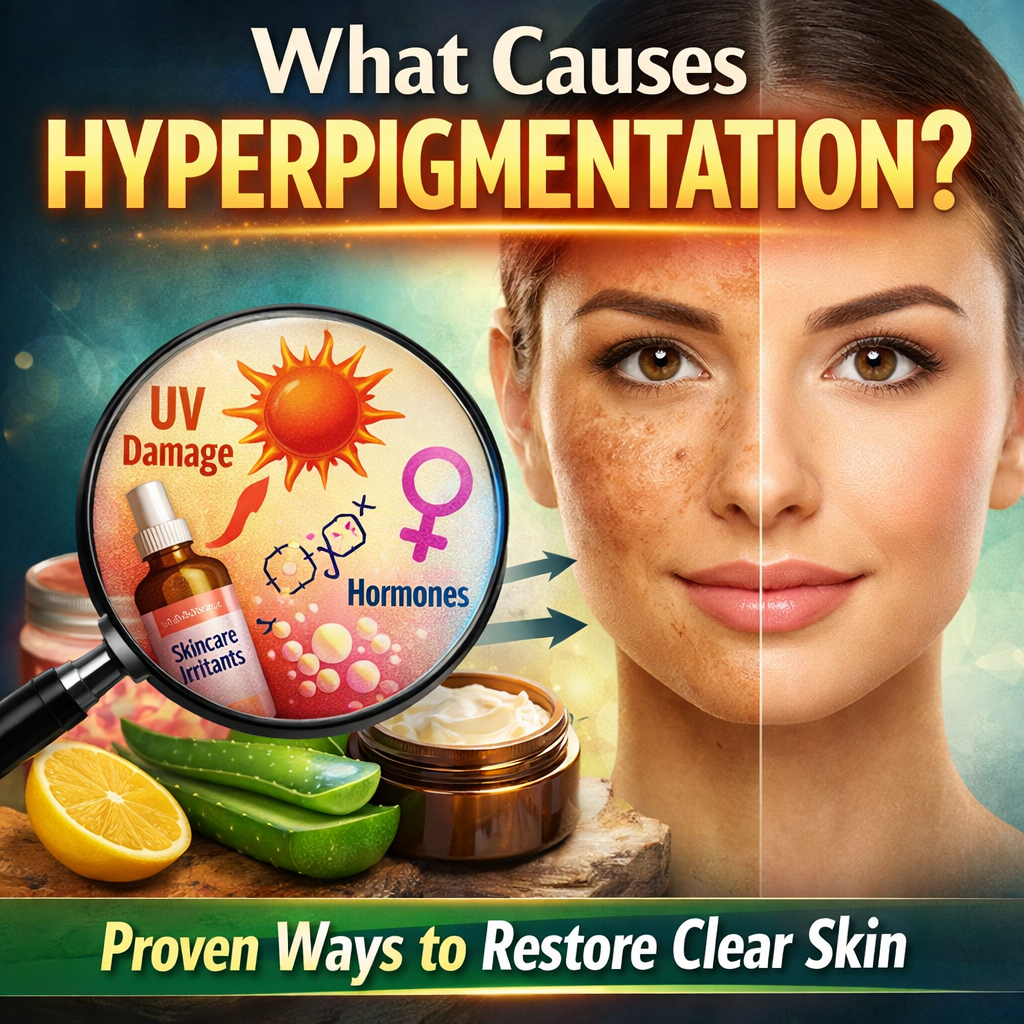
Hyperpigmentation is a common skin concern that affects people of all skin tones. It appears as dark patches, spots, or uneven areas caused by excess melanin production. While it isn’t harmful, it can impact confidence and overall skin appearance. The good news? With the right approach, hyperpigmentation can be managed and significantly reduced.
Let’s explore what causes it—and the proven ways to restore clearer, more even-toned skin.
What Is Hyperpigmentation?
Hyperpigmentation occurs when certain areas of the skin produce more melanin than usual. Melanin is the natural pigment responsible for skin, hair, and eye color. When overproduced, it forms dark patches or spots.
Common Types of Hyperpigmentation
-
Post-Inflammatory Hyperpigmentation (PIH): Dark marks left behind after acne, burns, or skin irritation.
-
Melasma: Hormone-related pigmentation, often triggered by pregnancy or birth control.
-
Sunspots (Age Spots): Caused by long-term sun exposure.
What Causes Hyperpigmentation?
Understanding the root cause is essential for choosing the right treatment.
1. Sun Exposure
UV radiation is the leading cause of hyperpigmentation. Sunlight stimulates melanin production, which can worsen existing dark spots and create new ones.
2. Acne & Skin Inflammation
When the skin becomes inflamed—due to acne, eczema, or injury—it may produce excess pigment during the healing process.
3. Hormonal Changes
Hormonal fluctuations, especially during pregnancy or while using oral contraceptives, can trigger melasma.
4. Skin Irritation
Over-exfoliating, using harsh skincare products, or picking at blemishes can cause inflammation that leads to pigmentation.
5. Aging
As skin ages, cumulative sun exposure results in visible dark spots.
Proven Ways to Restore Clear Skin
Treating hyperpigmentation requires consistency, patience, and the right ingredients.
1. Daily Sunscreen (Non-Negotiable)
Without sun protection, pigmentation treatments will not work effectively. Use a broad-spectrum SPF 30 or higher every day—even when indoors—to prevent worsening discoloration.
2. Retinoids for Cell Turnover
Topical retinoids accelerate skin cell turnover, helping fade dark spots over time. Dermatologists often recommend tretinoin to improve pigmentation, smooth texture, and stimulate collagen production.
Tip: Start 2–3 times weekly and gradually increase frequency to avoid irritation.
3. Vitamin C for Brightening
Vitamin C is a powerful antioxidant that reduces melanin production and brightens dull skin. It also protects against environmental damage.
4. Niacinamide for Even Tone
Niacinamide helps reduce pigment transfer within the skin and strengthens the skin barrier. It’s gentle enough for daily use and pairs well with other treatments.
5. Chemical Exfoliation
AHAs and BHAs remove dead skin cells and encourage new cell growth, gradually fading discoloration and improving texture.
6. Professional Treatments
For stubborn or deep pigmentation, dermatological procedures may provide faster results:
-
Chemical peels
-
Laser therapy
-
Microdermabrasion
Always consult a licensed professional before choosing advanced treatments.
Simple Skincare Routine for Hyperpigmentation
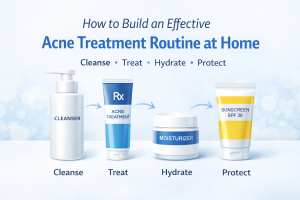
Morning:
-
Gentle cleanser
-
Vitamin C serum
-
Moisturizer
-
Broad-spectrum sunscreen
Night:
-
Cleanser
-
Retinoid treatment
-
Moisturizer
Consistency is key. Most treatments take 6–12 weeks to show visible improvement.
Final Thoughts
Hyperpigmentation is common—but it’s treatable. Whether your dark spots are caused by acne, sun damage, or hormonal changes, combining targeted skincare ingredients with daily sun protection can gradually restore a clearer, more radiant complexion.
Be patient with your skin, avoid harsh treatments, and stay consistent. Over time, your skin can regain its natural balance and glow.
Add comment