
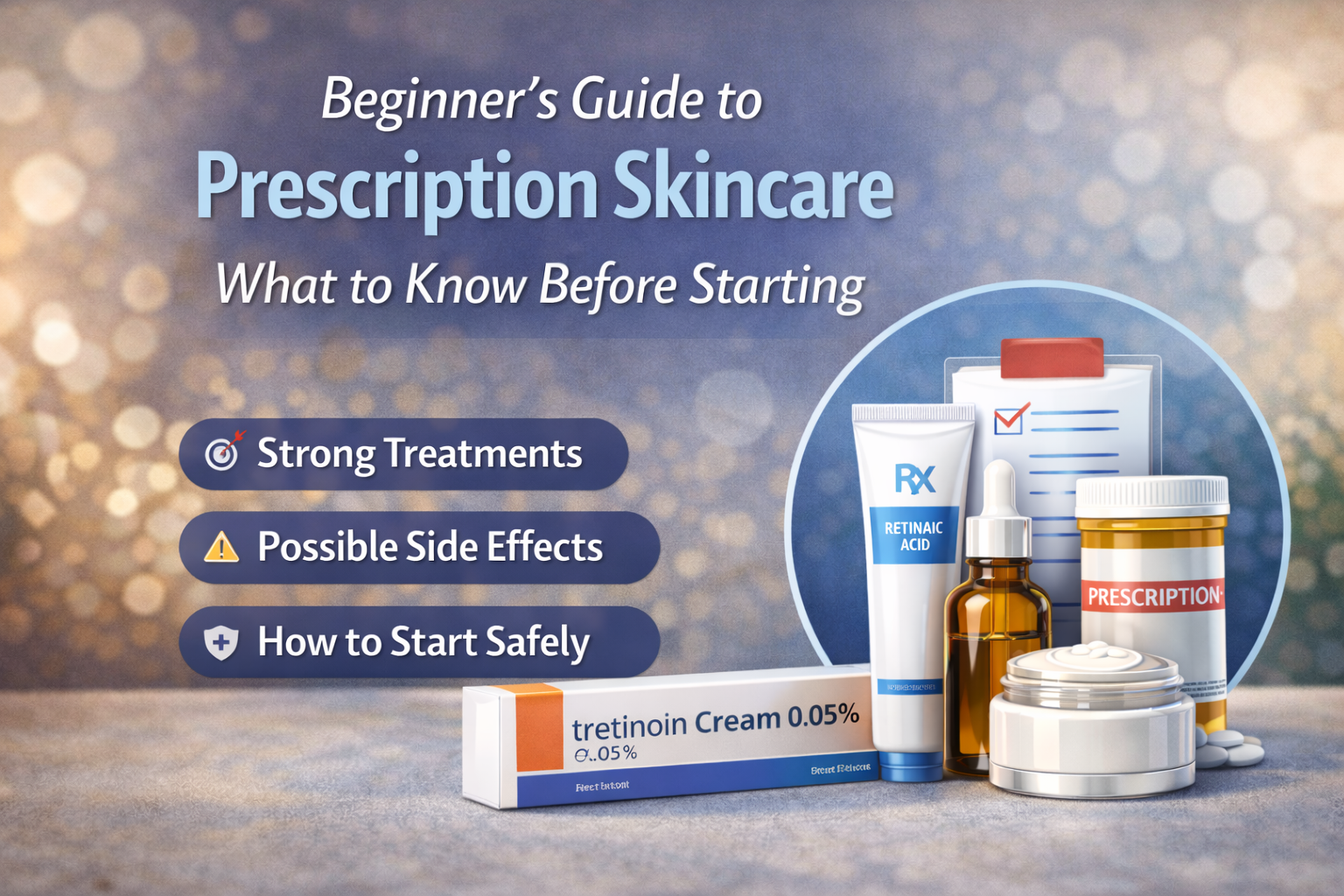
Prescription skincare has become increasingly popular for treating acne, hyperpigmentation, fine lines, and other persistent skin concerns. Unlike over-the-counter products, prescription treatments contain higher concentrations of active ingredients and are designed to deliver targeted, clinically proven results. However, starting prescription skincare without proper guidance can lead to irritation, dryness, or unrealistic expectations.
This beginner’s guide explains everything you need to know before starting prescription skincare, including how it works, common ingredients, benefits, risks, and how to build a safe routine.
What Is Prescription Skincare?
Prescription skincare refers to dermatologist-prescribed topical treatments formulated with regulated active ingredients that are stronger than standard cosmetic products. These medications are typically used to treat conditions such as:
- Moderate to severe acne
- Hyperpigmentation and melasma
- Fine lines and wrinkles
- Rosacea
- Persistent clogged pores
- Sun damage
Because these formulations are medically regulated, they must be used according to professional recommendations to ensure safety and effectiveness.
How Prescription Skincare Works
Prescription treatments target skin concerns at a cellular level. Instead of simply moisturizing or temporarily smoothing the surface, they often influence skin cell turnover, oil production, collagen stimulation, or pigment formation.
For example:
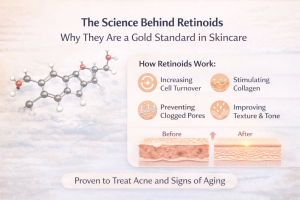
- Retinoids accelerate cell turnover and boost collagen production.
- Azelaic acid reduces inflammation and pigmentation.
- Topical antibiotics reduce acne-causing bacteria.
- Hydroquinone limits excess melanin production.
These mechanisms allow prescription skincare to treat the root cause rather than just symptoms.
Benefits of Prescription Skincare
When used correctly, prescription treatments offer significant advantages:
✔ Stronger and faster results compared to OTC products
✔ Clinically tested and regulated formulations
✔ Targeted solutions for specific skin concerns
✔ Long-term skin improvement
Many individuals notice clearer, smoother, and more even-toned skin within a few months of consistent use.
Who Should Consider Prescription Skincare?
Prescription skincare may be appropriate if:
- Over-the-counter treatments have not worked
- Acne is moderate to severe
- Dark spots persist despite topical products
- Early signs of aging are becoming noticeable
- A dermatologist has diagnosed a specific condition
It is especially beneficial for individuals who want evidence-based treatment rather than experimenting with multiple cosmetic products.
Common Prescription Skincare Ingredients
Understanding the most frequently prescribed ingredients can help beginners feel more confident.
- Retinoids
Often considered the gold standard, retinoids treat acne and signs of aging by increasing cell turnover and stimulating collagen.
- Azelaic Acid
Effective for acne, rosacea, and hyperpigmentation, azelaic acid helps calm inflammation and even out skin tone.
- Hydroquinone
Used for stubborn pigmentation, hydroquinone reduces melanin production when applied under professional supervision.
- Topical Antibiotics
These reduce acne-causing bacteria and inflammation, often combined with other treatments.
Each ingredient serves a different purpose, and combinations are often tailored to individual skin needs.
What to Expect When You First Start
One of the most important things to understand about prescription skincare is the adjustment period. Many treatments cause temporary side effects such as:
- Mild redness
- Dryness and peeling
- Sensitivity
- Initial breakouts (sometimes called purging)
These reactions are common during the first 4–6 weeks as the skin adapts. Gradual introduction and proper moisturizing can minimize discomfort.
Consistency is critical. Stopping treatment too early often prevents visible improvement.
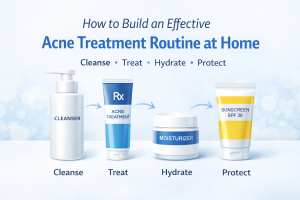
How to Build a Safe Prescription Skincare Routine
A simple routine supports treatment effectiveness while protecting the skin barrier.
Morning Routine:
- Gentle cleanser
- Moisturizer
- Broad-spectrum sunscreen (SPF 30 or higher)
Evening Routine:
- Cleanser
- Prescription treatment (as directed)
- Moisturizer
Avoid combining too many strong active ingredients unless advised. Over-exfoliation or layering incompatible products can increase irritation.
The Importance of Sunscreen
Many prescription treatments increase sun sensitivity. Without daily sunscreen, you risk worsening pigmentation, irritation, and long-term skin damage.
Daily sun protection helps:
- Prevent new dark spots
- Maintain treatment results
- Reduce premature aging
- Protect against UV-related damage
Sunscreen is not optional—it is essential when using prescription skincare.
How Long Before You See Results?
Patience is essential when starting prescription skincare.
- 2–4 weeks: Skin adjustment phase
- 6–8 weeks: Noticeable improvement in texture
- 3 months: Visible acne reduction or pigment fading
- 6 months: Significant skin clarity and tone improvement
Long-term consistency delivers the best outcomes.
Common Mistakes Beginners Should Avoid
To maximize results and minimize side effects, avoid:
- Using too much product
- Applying treatments more frequently than recommended
- Skipping moisturizer
- Ignoring sun protection
- Mixing multiple prescription products without guidance
More product does not mean faster results. Controlled, consistent application is more effective.
When to Consult a Professional
If irritation becomes severe or your skin condition worsens, consulting a qualified professional is essential. Prescription skincare should always be part of a monitored treatment plan, especially for sensitive skin types or medical conditions.
Final Thoughts
Prescription skincare offers powerful, clinically supported solutions for acne, hyperpigmentation, aging, and other persistent skin concerns. However, success depends on proper use, patience, and protective measures such as daily sunscreen and barrier support.
For beginners, understanding how prescription treatments work—and introducing them gradually—can lead to clearer, healthier-looking skin over time. With realistic expectations and consistent care, prescription skincare can be a highly effective step toward long-term skin improvement.
Add comment