
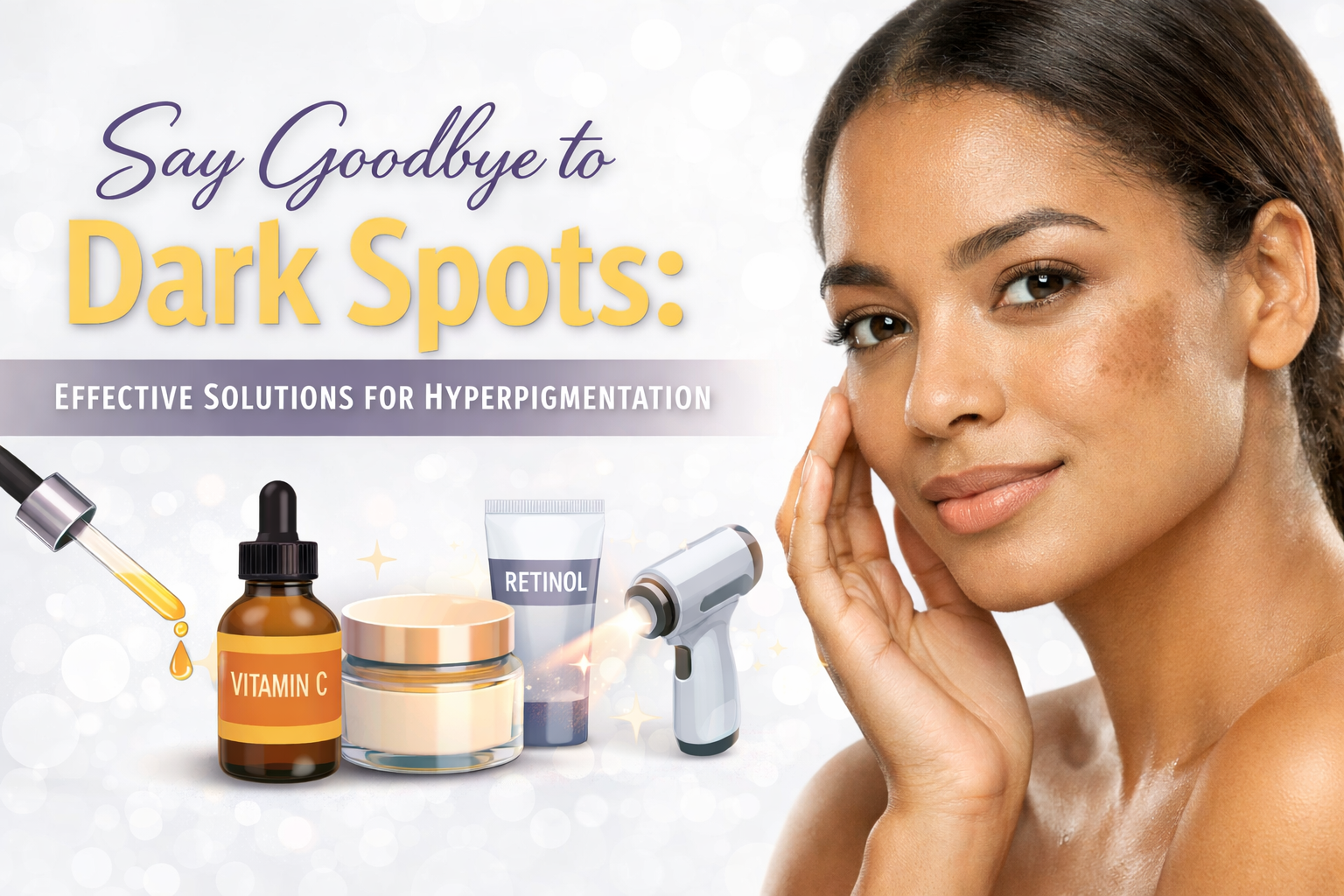
Hyperpigmentation is one of the most common skin concerns affecting people of all skin types. Those stubborn dark spots, uneven patches, and post-acne marks can make skin look dull and aged. The good news? With the right knowledge and a consistent skincare routine, you can significantly reduce hyperpigmentation and restore a brighter, more even complexion.
Let’s explore what causes dark spots and the most effective solutions available today.
What Is Hyperpigmentation?
Hyperpigmentation occurs when the skin produces excess melanin, the pigment that gives skin its color. This overproduction leads to darker patches or spots on the skin.
Common types include
-
Post-Inflammatory Hyperpigmentation (PIH): Dark spots left after acne, cuts, or irritation.
-
Melasma: Often triggered by hormonal changes and sun exposure.
-
Sunspots (Age Spots): Caused by prolonged UV exposure.
What Causes Dark Spots?
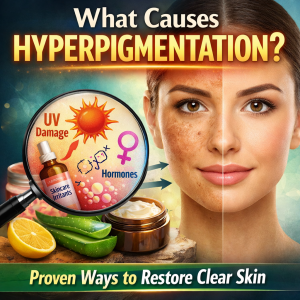
Understanding the root cause helps in choosing the right treatment. The main triggers include:
-
Sun exposure
-
Acne and skin inflammation
-
Hormonal fluctuations
-
Skin injuries
-
Harsh skincare products
UV rays are the biggest culprit. Even mild sun exposure can worsen pigmentation, making sunscreen a non-negotiable step in any treatment plan.
Effective Solutions for Hyperpigmentation
1. Topical Retinoids
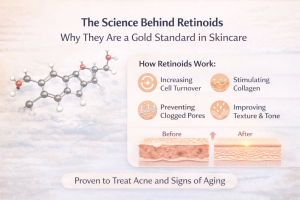
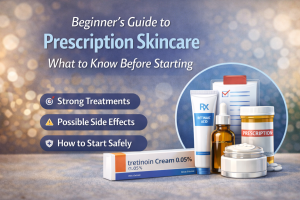
Products containing tretinoin help increase skin cell turnover, fading dark spots over time. A popular dermatologist-recommended option is tretinoin, which promotes collagen production and reduces discolouration with consistent use.
Tip: Start slowly (2–3 times a week) to minimise irritation.
2. Vitamin C Serums
Vitamin C is a powerful antioxidant that brightens skin and reduces melanin production. It helps lighten dark spots and protects against further sun damage.
3. Niacinamide
Niacinamide helps control pigmentation transfer within the skin and improves overall tone. It’s gentle and suitable for daily use, even for sensitive skin.
4. Chemical Exfoliation
Ingredients such as AHAs, BHAs, and glycolic acid remove dead skin cells and promote skin renewal. This gradually fades hyperpigmentation and smooths skin texture.
5. Sunscreen (Most Important Step)
Without daily sunscreen, treatments won’t work effectively. Use a broad-spectrum SPF 30 or higher every day—even indoors—to prevent dark spots from worsening.
6. Professional Treatments
For stubborn pigmentation, dermatological procedures may help:
-
Chemical peels
-
Laser therapy
Always consult a qualified dermatologist before opting for advanced treatments.
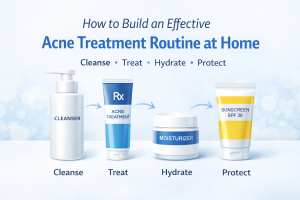
Simple Skincare Routine for Dark Spots
Morning:
-
Gentle cleanser
-
Vitamin C serum
-
Moisturizer
-
Broad-spectrum sunscreen
Night:
-
Cleanser
-
Tretinoin or treatment serum
-
Moisturizer
Consistency is key. Results typically appear within 6–12 weeks, depending on the severity of pigmentation.
Final Thoughts
Hyperpigmentation can feel frustrating, but it is treatable. By combining targeted ingredients such as retinoids and antioxidants with consistent sun protection, you can gradually fade dark spots and achieve a more radiant complexion.
Patience, protection, and the right products make all the difference. Stick to your routine, protect your skin from the sun, and over time, you’ll truly be able to say goodbye to dark spots. ✨
Add comment