
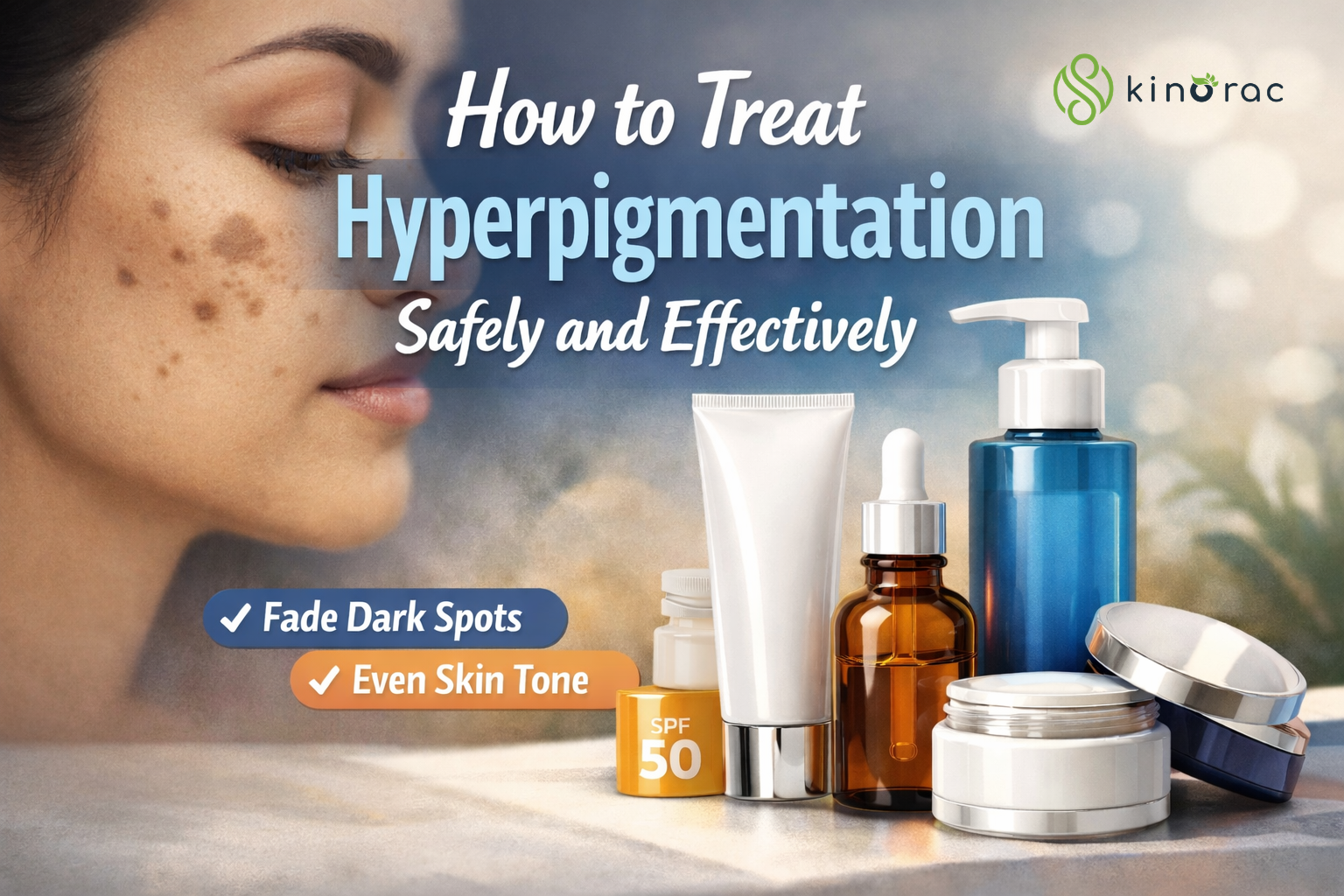
Hyperpigmentation is one of the most common skincare concerns affecting people of all skin types and ages. It appears as dark patches, uneven skin tone, or spots that linger long after acne heals. While it is harmless from a medical perspective, hyperpigmentation can impact confidence and may worsen if not treated correctly. The good news is that with the right approach, it can be managed safely and effectively.
This guide explains what causes hyperpigmentation, how to treat it properly, and which skincare practices deliver long-term results.
What Is Hyperpigmentation?
When the skin overproduces melanin, the pigment that gives skin its color, hyperpigmentation results. This overproduction leads to darker areas that contrast with your natural tone.
There are several types of hyperpigmentation:
- Post-inflammatory hyperpigmentation (PIH): Develops after acne, cuts, or irritation.
- Sunspot: It is also known as solar lentigines, are caused by extended exposure to sunlight.
- Melasma: Often triggered by hormonal changes and UV exposure.
- Uneven skin tone: Gradual discoloration due to aging or environmental stress.
Understanding the type of pigmentation you have is essential because each responds differently to treatment.
What Causes Hyperpigmentation?
Several internal and external factors can stimulate melanin production:
- Excess sun exposure without protection
- Acne and skin inflammation
- Hormonal fluctuations
- Aging and environmental damage
- Improper skincare routines or harsh products
Without addressing the root cause, treatments may show limited improvement or lead to recurrence.
The Importance of Treating Hyperpigmentation Gently
One of the biggest mistakes people make is trying to remove pigmentation too aggressively. Over-exfoliation, strong actives used incorrectly, or mixing too many treatments can worsen discoloration by triggering additional inflammation.
Safe treatment focuses on:
✔ Gradual correction
✔ Skin barrier protection
✔ Consistent sun protection
✔ Clinically proven ingredients
Patience is key—hyperpigmentation improves over weeks to months, not overnight.
Best Ingredients to Treat Hyperpigmentation Effectively
Using targeted ingredients helps regulate melanin production and promote even skin renewal.
1. Retinoids
Retinoids accelerate cell turnover, helping the skin shed pigmented cells and replace them with new ones. They also improve texture and enhance penetration of other brightening ingredients.
2. Azelaic Acid
This multi-functional ingredient reduces inflammation, fades discoloration, and is especially helpful for post-acne marks and sensitive skin types.
3. Vitamin C (Ascorbic Acid)
A powerful antioxidant that brightens skin, neutralizes free radicals, and inhibits excess pigment formation caused by UV damage.
4. Niacinamide
Niacinamide reduces pigment transfer within the skin while strengthening the skin barrier and improving overall tone.
5. Hydroquinone (When Used Under Guidance)
A well-researched depigmenting agent that helps reduce stubborn dark patches when used appropriately and for limited durations.
Combining these ingredients strategically—rather than layering everything at once—yields better and safer results.
Why Sunscreen Is the Most Critical Step
No hyperpigmentation treatment will work without daily sun protection. UV exposure continuously signals the skin to produce melanin, undoing progress.
Use a broad-spectrum sunscreen every morning:
- SPF 30 or higher
- Reapply every 2–3 hours when outdoors
- Wear protective clothing when possible
Even brief sun exposure can deepen pigmentation, making sunscreen non-negotiable.
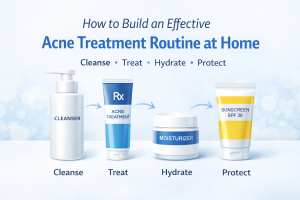
How to Build a Simple Routine for Pigmentation
Consistency matters more than complexity. A balanced routine should support repair while preventing new discoloration.
Morning Routine:
- Gentle cleanser
- Antioxidant serum (such as vitamin C)
- Moisturizer to maintain barrier health
- Broad-spectrum sunscreen
Evening Routine:
- Cleanser
- Treatment product (retinoid or azelaic acid)
- Hydrating moisturizer
Avoid combining too many active ingredients in one session, as this may cause irritation and rebound pigmentation.
How Long Does It Take to See Results?
Hyperpigmentation requires commitment. Visible improvement typically follows this timeline:
- 4–6 weeks: Skin texture begins to smooth
- 8–12 weeks: Dark spots gradually fade
- 3–6 months: Noticeable evening of skin tone
- 6+ months: Deeper pigmentation continues to improve
Consistency, not speed, determines success.
Common Mistakes That Can Worsen Hyperpigmentation
Avoid these habits to prevent setbacks:
- Skipping sunscreen, even on cloudy days
- Using harsh scrubs or over-exfoliating
- Picking acne or irritated skin
- Mixing multiple strong treatments without guidance
- Expecting instant results and stopping too soon
A calm, steady routine prevents inflammation—the main trigger behind persistent pigmentation.
When to Seek Professional Advice
If pigmentation is severe, resistant, or linked to hormonal causes such as melasma, consulting a qualified professional can help tailor treatment. Prescription therapies, chemical peels, or supervised regimens may be recommended depending on your skin type and condition.
Final Thoughts
Treating hyperpigmentation safely and effectively requires a balanced strategy focused on protection, repair, and consistency. Instead of chasing quick fixes, adopting evidence-based ingredients and daily sun protection allows the skin to gradually return to a more even tone.
With patience and the right routine, hyperpigmentation can be significantly reduced—revealing clearer, healthier-looking skin over time.
Add comment