
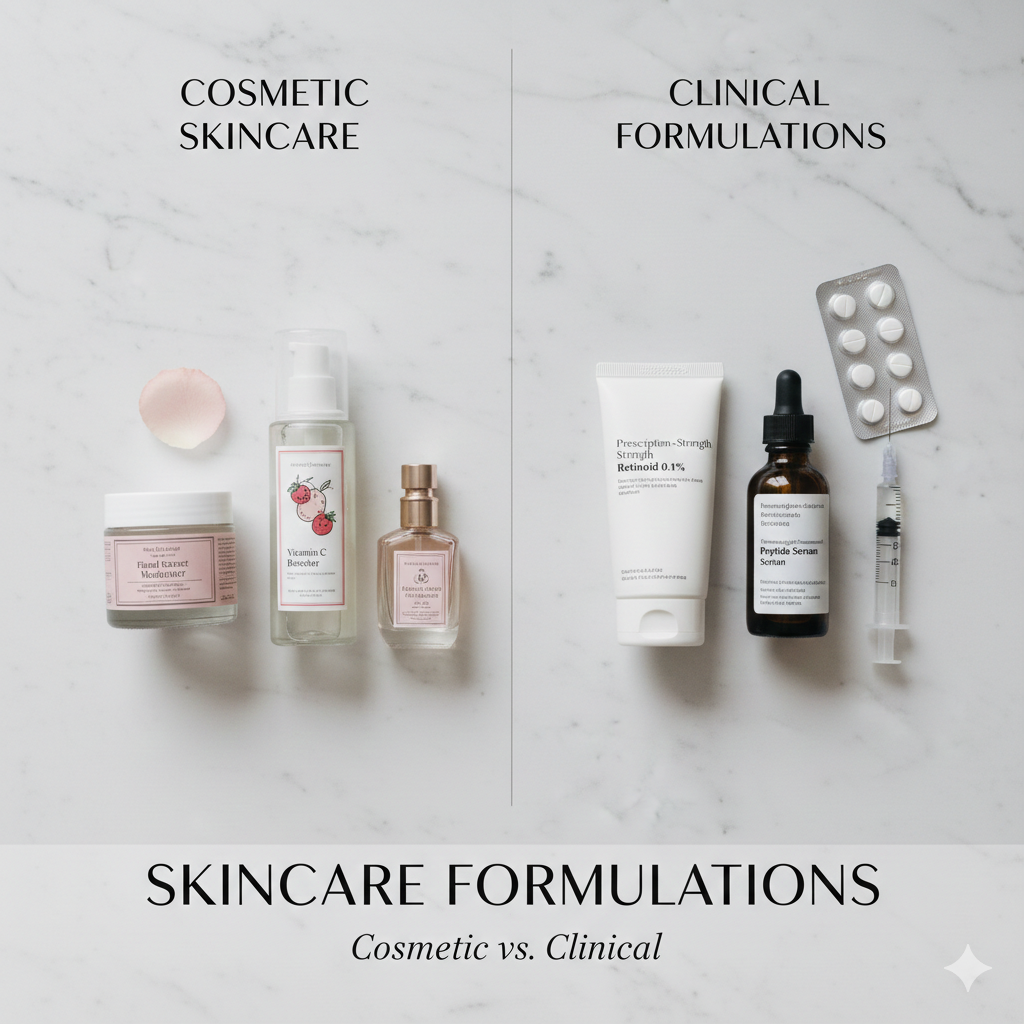
Why This Difference Matters
When people start exploring better skincare, one of the biggest questions is whether to stick with regular cosmetic products or move toward clinical, ingredient-focused formulations. Both have their place, but they are designed with different goals in mind. Cosmetic skincare is usually created to improve the look and feel of the skin on the surface, while clinical formulations are often chosen by those who want a more targeted, long-term approach to common concerns like breakouts, uneven tone, or texture.
Understanding this difference helps users set realistic expectations. Some products are meant for daily comfort and hydration, while others are selected specifically to support gradual skin improvement over time.
What Is Cosmetic Skincare?
Cosmetic skincare typically focuses on maintaining the skin’s appearance. These products often include:
-
Moisturizers
-
Face washes
-
Toners
-
Serums designed for glow or hydration
They are usually gentle, easy to use, and suitable for everyday routines. Many cosmetic products aim to make the skin feel softer, smoother, or more refreshed without using stronger active components. For people with generally balanced skin or those just starting a routine, cosmetic skincare can be a comfortable entry point.
What Are Clinical Formulations?
Clinical or ingredient-focused formulations are usually built around well-known active ingredients that are commonly included in dermatologist-guided routines. These products are often explored for concerns such as:
-
Persistent acne
-
Uneven skin tone
-
Dark spots
-
Rough texture
-
Early signs of aging
They are designed with a more targeted purpose, which is why they are often introduced slowly and used with supportive basics like moisturizers and sun protection. The goal is not instant change, but gradual improvement with consistent use.
Key Differences in Approach
Purpose
Cosmetic products focus on surface-level care and comfort.
Clinical formulations are chosen for targeted support and long-term improvement.
Strength of Ingredients
Cosmetic skincare usually contains milder components suitable for frequent use.
Clinical products often include stronger, well-recognized actives.
Speed of Results
Cosmetic products may give quick visible softness or glow.
Clinical formulations tend to work gradually over weeks with regular use.
Routine Style
Cosmetic routines can involve multiple layering steps.
Clinical routines are often simpler, built around one main active product.
Which One Should You Choose?
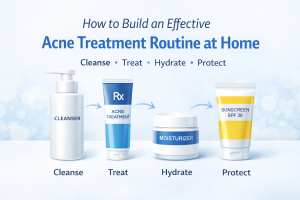
Many people actually use both. A common approach is to keep a base routine with gentle cosmetic products like cleanser and moisturizer, then add one targeted formulation for a specific concern. This balance helps maintain comfort while still supporting gradual skin improvement.
Choosing between the two depends on your goals. If the aim is basic maintenance and hydration, cosmetic skincare may be enough. If you’re trying to address a specific concern that hasn’t improved with regular products, ingredient-focused options are often explored.
Final Thought
Cosmetic skincare and clinical formulations are not competitors, they serve different roles. One helps maintain and protect the skin day to day, while the other is often used to support targeted, long-term changes. The most practical routines usually combine both, keeping the skin comfortable while introducing stronger ingredients slowly and consistently.

Add comment